

Its origins date back to 1925, but since 1976 every President of the United States has proclaimed February to be Black History Month in acknowledgment of the often-underappreciated contributions African Americans have made to our country. (Black History Month) The resources available to explore this rich history – on various online and streaming services, in libraries, and in schools — have never been better, but the need to explore and understand them is just as urgent.
As the Rev. Canon Leonard L. Hamlin, Sr., Canon Missioner and Minister of Equity and Inclusion at the Washington National Cathedral puts it:
“Yes, Black History Month is about the past, but it must also be about our present, as well as the future we hope to forge, together, as Americans.” He notes that one theme chosen for 2022, that of Black Health and Wellness, is “a way to celebrate all the ways African Americans have touched our bodies and souls, whether as essential workers, front-line health providers or in small ways to promote wellness.” And he urges us to consider the “racial and economic disparities of the COVID-19 pandemic” and to “follow the guidance of those who, throughout history, have challenged us to imagine something different, something better.” https://cathedral.org/press-room/black-history-month-is-about-so-much-more-than-our-history/
Many of those leaders have been inspired by their faith traditions, as should we.
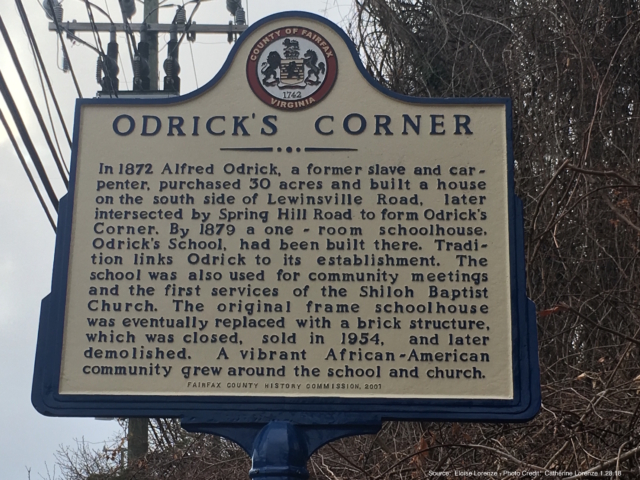
Fairfax County has also prepared a number of opportunities for residents to get involved in Black History Month, focusing on collecting stories from current and former residents and providing resources to students to engage in project-based learning activities and the county’s historical marker program.
The Fairfax County Black History Month Program will be streamed live on Friday, February 11th from 7pm-8pm on Channel 16.
The link to the live stream is: https://www.fairfaxcounty.gov/cableconsumer/channel-16/stream.
This year’s theme is:
The Black/African American Experience Project. This is a joint effort among Fairfax County’s Board of Supervisors, Fairfax County Public Schools (FCPS), History Commission, and Neighborhood and Community Services. There are three parts of this effort: collecting stories, project-based learning, and historical markers.
The Historical Marker Project: will initially focus on the Black/African American experience and all students from K-12 (public, private, homeschooled etc.), classrooms and community youth groups can submit ideas for new Historical Markers throughout Fairfax County. The Historical Markers can commemorate an event, person, or location of historical significance within the county. Submissions are being accepted from February 1, 2022, through March 31, 2022. Students can learn more about the project, submission guidelines, and access links to resources at www.fairfaxcounty.gov/topics/historical-marker-project.
Project- Based Learning: As part of project-based learning, FCPS will provide resources to support students in researching untold local stories of Black/African Americans and groups who have impacted our community. FCPS has also provided resources that have been published at https://www.fcps.edu/news/fcps-launches-historical-marker-project-highlight-untold-stories-countys-african-american for equitable access to students who are not enrolled in FCPS schools.
Collecting Stories: As part of the effort to increase the visibility of Black/African American experiences in the county, Neighborhood and Community Services is asking current and former county residents to share their stories. We are collecting stories about your family, community, church (faith community), cultural, educational, justice, innovation, or housing experiences. There are two ways that stories are being collected. You can complete the African American Experiences submission form on their website: www.fairfaxcounty.gov/topics/black-african-american-stories or you can share your oral history on video by making an appointment with their computer clubhouse technicians to have your stories recorded. Those interested can email collectingstories@fairfaxcounty.gov to set up an appointment. These stories will support the project-based learning at Fairfax County Public Schools, help build a racial history timeline and increase the visibility of Black/African American contributions to the county.
Finally, here is a link to discover twenty ways to celebrate and experience Black History Month in the DC Metro area:
https://www.fxva.com/blog/post/african-american-history/
This blog post is the expressed opinion of its writer and does not necessarily reflect the views of Tysons Interfaith or its members.
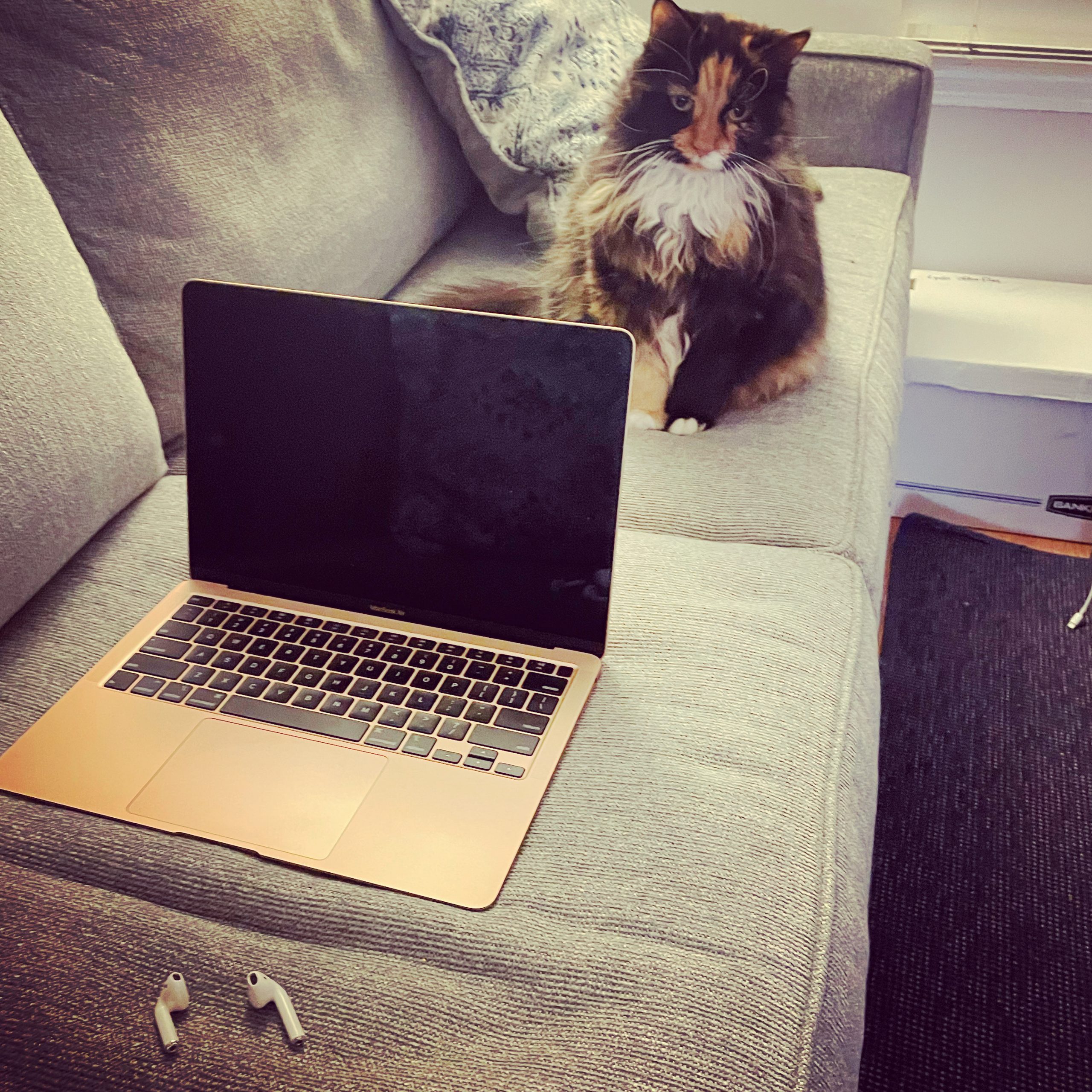
Back in October of 2021, a post floated around social media professing that “you can’t worship from your couch.” This generated a mild sensation among pastors who serve churches taking full advantage of online ways to be “church.” Fast forward to the present, and yet again the internet is buzzing with a similar dismissal of on-line worship, this time in the form of an ableist and dismissive opinion piece from the New York Times. In this article, already limited in its accessibility behind a paywall, the pastor claims that with the pandemic being “managed” with masks, distancing, and a milder variant, all churches (and communities of faith perhaps) should stop online options to primarily focus back on physical gatherings. Yes, we have yet another iteration of the “you can’t worship from the couch” fallacy.
I shared my thoughts on Facebook in October, and these words seem just as relevant now: As church attendance again (and AGAIN) becomes a hot topic in our nation, and online services have become a vital part of FINALLY including an underserved people, it’s important to remember why community is important in ALL the ways that you and your family are able to connect, no matter the type of community you are part of.
As members of my own community have shared with me – while you may not be able to pack meals from your couch if you struggle with a chronic illness… you can sing and pray while worship is streaming. You CAN be surrounded by your community of faith if you are unable to get out of bed that day. You CAN still experience the power of God’s presence, even if you aren’t able to be with everyone together on your day of worship because of illness, the children are vomiting all over the couch, your anxiety or depression are keeping you to your couch, or your autistic child is having a hard day and the couch is a safe place for them.
People need community, and community comes in many forms. We can contribute letters and cards and Facebook posts and prayer requests and email encouragement and tithe from literally ANYWHERE now. We can serve, sacrifice, encourage, pray, and do life together both online and in person. And actually, many of us have already been doing it for years already. For my siblings in Christian communities, I hope that we will continue to use all available tools to meet people where they are in their lives, as a way to recognize their true value and extend real welcome. Online options are here to stay, and this is a blessing from God.
We can’t be all things to all people. But as people of faith, we believe our call is to meet and love people, in all the miraculous ways we can be embodied together, however we can. Holy, sacred community cannot be contained by four walls, for one hour per week. One can experience this on the internet, from your couch, and sometimes even in pajamas, at all hours of the day and night.
If it happens that the New York Times does not renounce or at least allow a rebuttal to the above-mentioned article, may I be so bold as to suggest some future answers to Wordle, the famous 5-letter word game they recently acquired. I, among others, have noticed some words that seem to be lacking, such as: world, agape, boost, links, pivot, and unite. Especially when so many communities of faith are, miraculously, getting this right.
This blog post is the expressed opinion of its writer and does not necessarily reflect the views of Tysons Interfaith or its members.
For some years now, Hashmat and I have been meeting (in person and then on-line) as members of Tysons Interfaith representing our respective congregations. Hashmat is a member of the McLean Islamic Center, a respected and valued leader of Tysons Interfaith, and a friend. It has been my privilege to take part in an Iftar meal at the McLean Islamic Center. Hashmat and I both appreciated taking part in a series of conversations sponsored by Tysons Interfaith that examined the concept of the “Oneness of Humanity” through the lens of various faith traditions.
Recently, we were both interested to learn that our friends at the Interfaith Council of Metropolitan Washington (IFC) will be highlighting a series of events in observance of World Interfaith Harmony Week. https://ifcmw.org/ihdmv2022/
Hashmat wanted to know more about World Interfaith Harmony Week, so he visited the website and this is what he found:
The World Interfaith Harmony Week
Annual UN Observance Week: Feb. 1-7
The World Interfaith Harmony Week was first proposed at the UN General Assembly on September 23, 2010 by H.M. King Abdullah II of Jordan. Just under a month later, on October 20, 2010, it was unanimously adopted by the UN and henceforth the first week of February will be observed as a World Interfaith Harmony Week.
The World Interfaith Harmony Week is based on the pioneering work of The Common Word initiative. This initiative, which started in 2007, called for Muslim and Christian leaders to engage in a dialogue based on two common fundamental religious Commandments; Love of God, and Love of the Neighbour, without nevertheless compromising any of their own religious tenets. The Two commandments are at the heart of the three Monotheistic religions and therefore provide the most solid theological ground possible.
The World Interfaith Harmony Week extends the Two Commandments by adding ‘Love of the Good, and Love of the Neighbour’. This formula includes all people of goodwill. It includes those of other faiths, and those with no faith.
The World Interfaith Harmony Week provides a platform—one week in a year—when all interfaith groups and other groups of goodwill can show the world what a powerful movement they are. The thousands of events organized by these groups often go unnoticed not only by the general public, but also by other groups themselves. This week will allow for these groups to become aware of each other and strengthen the movement by building ties and avoiding duplicating each others’ efforts.
It is hoped that this initiative will provide a focal point from which all people of goodwill can recognize that the common values they hold far outweigh the differences they have, and thus provide a strong dosage of peace and harmony to their communities.
What a beautiful thing this is, particularly as our world struggles to overcome divisiveness and bigotry that is often the result of not truly knowing our neighbors. Hashmat and I are honored to be part of a great group of people of different faith traditions and spiritualities who are working together to promote interfaith understanding, spiritual growth and human connection in the rapidly growing Tysons area. We applaud the goals of Interfaith Harmony Week as it is celebrated globally and locally.
To learn more about World Interfaith Harmony Week, please visit: https://worldinterfaithharmonyweek.com/
This blog post is the expressed opinion of its writer and does not necessarily reflect the views of Tysons Interfaith or its members.
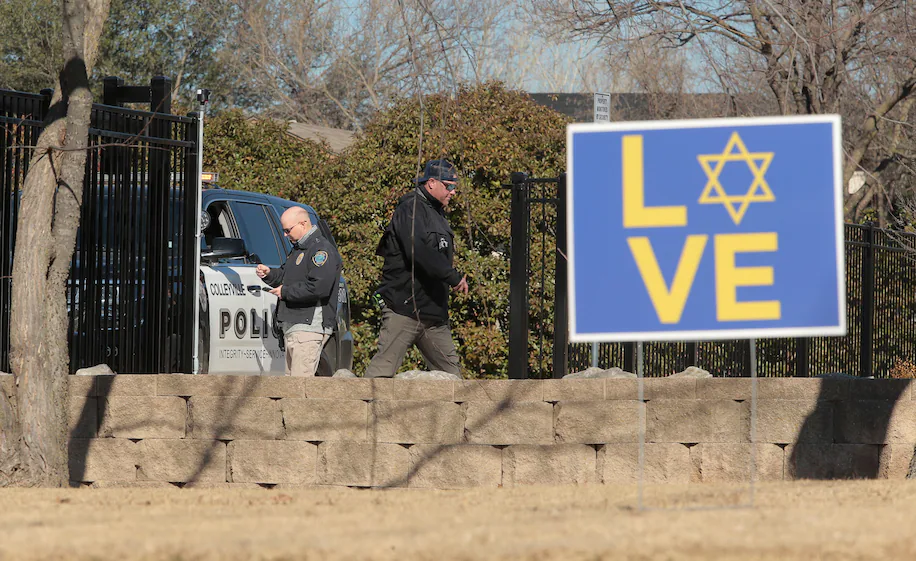
Photo description: Law enforcement officials investigate the hostage incident at Congregation Beth Israel synagogue in Colleyville, Tex. (Ralph Lauer/EPA-EFE/Shutterstock
Undoubtedly like many of you, we were saddened by the events this past weekend in Colleyville, Texas. Our hearts go out to those involved and to our Jewish friends locally here in Northern Virginia. The Washington Post had a good article summarizing the events of the weekend.
Two quotes from the article stood out to us. First was a powerful statement from Rabbi Charles Cytron-Walker of Congregation Beth Israel a week before this weekend’s crisis, which is very relevant post-crisis, even through the sadness:
“In that last sermon a week ago, Cytron-Walker recognized that some people now find it hard to summon hope. ‘What can we do?’ he asked. ‘The answer is — quite a lot! . . . In the midst of chaos and uncertainty, God asked the Israelites to face their fears and do something. . . . We are living in the midst of a different kind of chaos and uncertainty and it’s our turn to do something. . . . All we need to do is act.’”
The other quote from the article related to interfaith support and cooperation during the crisis, which is a model the members of Tysons Interfaith applaud and attempt to emulate.
“Two blocks in the other direction from Beth Israel, at Good Shepherd Catholic Community, Cheryl Drazin, a Dallas-based vice president of the Anti-Defamation League’s regional division, and other local faith leaders set up their own command center, where representatives from the Israeli consulate in Houston and relatives of the hostages gathered. Drazin saw Catholic priests and Chabad rabbis, in their long beards and black suits, sitting in a waiting area comforting each other.
Bob Roberts, an evangelical pastor at Northwood Church in Keller, five miles from Beth Israel, was eating lunch with his wife at an Italian restaurant around noon when they started getting texts about the hostage situation. He called Muslim leaders and they gathered at Good Shepherd, where Roberts spent the afternoon with the Cytron-Walker’s wife and daughter.
‘We’re all people of faith,’ Roberts said. ‘We have disagreements. The reality is we believe in God. And so we prayed.’
At one point, the wife of Shahid Shafi, a prominent Muslim figure in the county and a former city council member in Southlake, came into the room. She and the rabbi’s wife embraced. ‘It was just profound,’ Roberts said. ‘I just remember thinking to myself: People could use this [situation] as a tool to do more antisemitic and Islamophobic-type things. But this is the reality. A Muslim and a Jewish lady, embracing. This is how it’s done.’”
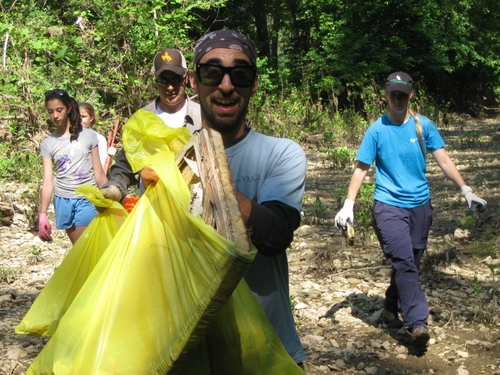
MLK Day is the only federal holiday designated as a national day of service to encourage all Americans to volunteer to improve their communities.
Showing compassion/serving can come in many forms. It can be as simple as reaching out to someone you have not talked to in a long time, checking on an elderly neighbor, or buying lunch for an overworked medical professional.
If you are interested in MLK Jr. Day projects on a larger scale, here are a few ideas that were shared in my church’s monthly newsletter:
Alexandria
Potomac Stewards Cleanup — river cleanup at Four Mile Run and at Jones Point Park. www.eventbrite.com/e/potomac-stewards-cleanup-martin-luther-king-jr-day-of-service-tickets-37495579287?aff=es2
Arlington County
Volunteer Arlington — make meals, assemble winter care packages, clean up parks, assemble children’s blankets for homeless shelters, learn about hunger and affordable housing, etc. volunteer.leadercenter.org/2022-mlk-day-service
District of Columbia
City Year — projects at three schools in the H Street NE corridor. www.cityyear.org/dc/events/mlk-day-of-service/
Washington National Cathedral — a virtual event for families; will include a sermon by Martin Luther King Jr’s granddaughter Ms. Yolanda Renee King. cathedral.org/event/remaining-awake-a-service-in-observance-of-dr-martin-luther-king-jr-day/
Fairfax County
Volunteer Fairfax — event is geared toward elementary-aged kids and their parents with various service stations. www.volunteerfairfax.org/events/mlk-jr-weekend-of-service-2022/
Potomac Stewards Cleanup — river cleanup at Turkey Run in McLean. www.eventbrite.com/e/potomac-stewards-cleanup-martin-luther-king-jr-day-of-service-tickets-37495579287?aff=es2
Reston Community Center — three days of activities: concerts, packing of lunches, outdoor cleanup, and a special activity for 1st-6th graders at RCC Hunters Woods. www.restoncommunitycenter.com/attend-shows-events-exhibits/2022-mlk-celebration
Falls Church Chamber of Commerce — “March for Social Justice, Unity, and Racial Healing” begins at the Tinner Hill Monument in the area where African-American families bought land after the Civil War and whose descendants established the first rural branch of the National Association for the Protection of Colored People. www.fallschurchchamber.org/events/details/3rd-annual-martin-luther-king-day-march-for-social-justice-unity-and-racial-healing-01-17-2022-32569
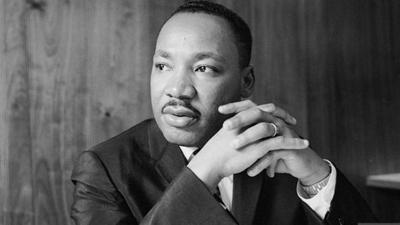
Each year we commemorate Dr. Martin Luther King, Jr. as a champion of racial justice and civil rights and as an inspiration for public service. As Eboo Patel points out, moreover, Dr. King was a major force for religious diversity and interfaith cooperation. www.beaconbroadside.com/broadside/2013/04/mlk-interfaith-visionary.html. Not only did he seek out practical ideas or support from people of other traditions, but he also saw that such cooperation arose from a common source and in service of a shared vision for the future of humanity.
In one of his last major addresses, he called for “a worldwide fellowship that lifts neighborly concern beyond one’s tribe, race, class, and nation.” He viewed this “embracing and unconditional love for all mankind” as “a force which all of the great religions have seen as the supreme unifying principle of life.”
Or as he wrote in his last book: “We have inherited a large house, a great ‘world house’ in which we have to live together—black and white, Easterner and Westerner, Gentile and Jew, Catholic and Protestant, Muslim and Hindu—a family unduly separated in ideas, culture and interest, who, because we can never again live apart, must learn somehow to live with each other in peace.”
So, whether we celebrate Dr. King’s legacy by becoming more active in and aware of racial and social justice issues or by engaging in simple service to our neighbors, let us try to seek common cause with partners of other faiths and cultural traditions. (For those interested in exploring more on the theme of Dr. King’s World House, please see the following: kinginstitute.stanford.edu/liberation-curriculum/lesson-plans/activities/kings-world-house
This blog post is the expressed opinion of its writer and does not necessarily reflect the views of Tysons Interfaith or its members.
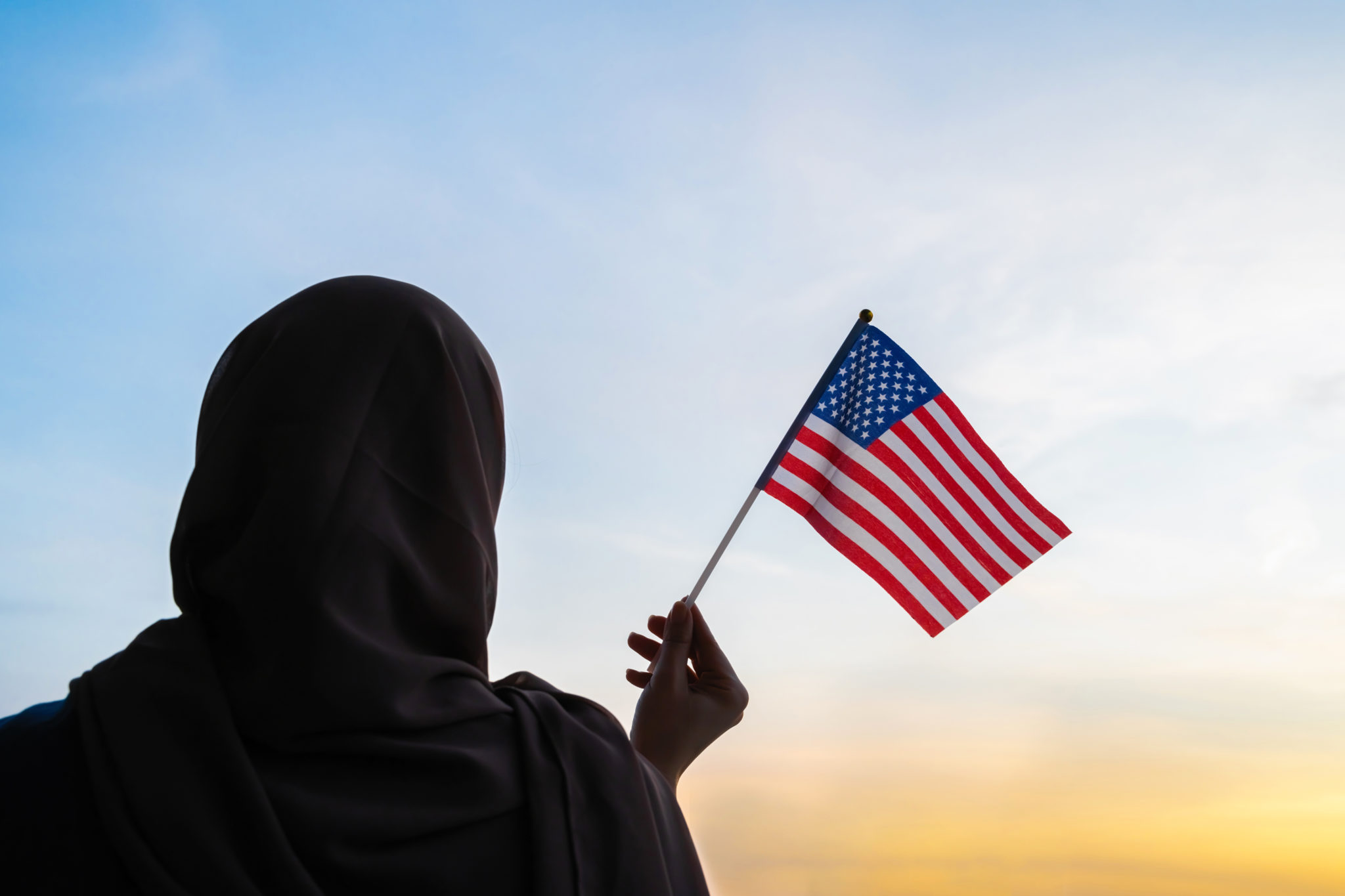
Afghan families continue to be settled in Fairfax County and northern Virginia. Their needs are great as they begin the arduous and long-term task of becoming self-sufficient.
Several Tysons Interfaith faith communities are supporting evacuee families. Levels of support for families range from donations, to logistical support to full sponsorship.
The faith communities of Tysons Interfaith recommend the following resources for individuals/congregations who want to help:
LIRS – Lutheran Immigration and Refugee Service: https://www.lirs.org/
LSSNCA – Lutheran Social Services of the National Capital Region: https://lssnca.org/
NoVA RAFT — https://www.facebook.com/VARAFT/
FAMILUSA — https://www.familusa.org/
KOMAC Foundation: — https://www.komakhelp.org/
Just Serve — https://www.justserve.org/projects/2a23c37e-76cc-4f45-ae1f-1371f6331d9f
Catholic Charities Diocese of Arlington County: https://www.ccda.net/need-help/immigrants-and-refugees/migration-and-refugee-services/
Ethiopian Community Development Commission: https://www.ecdcus.org/
Fairfax County Afghan Newcomers Information and Resources: https://www.fairfaxcounty.gov/topics/afghan-refugee-information-and-resources
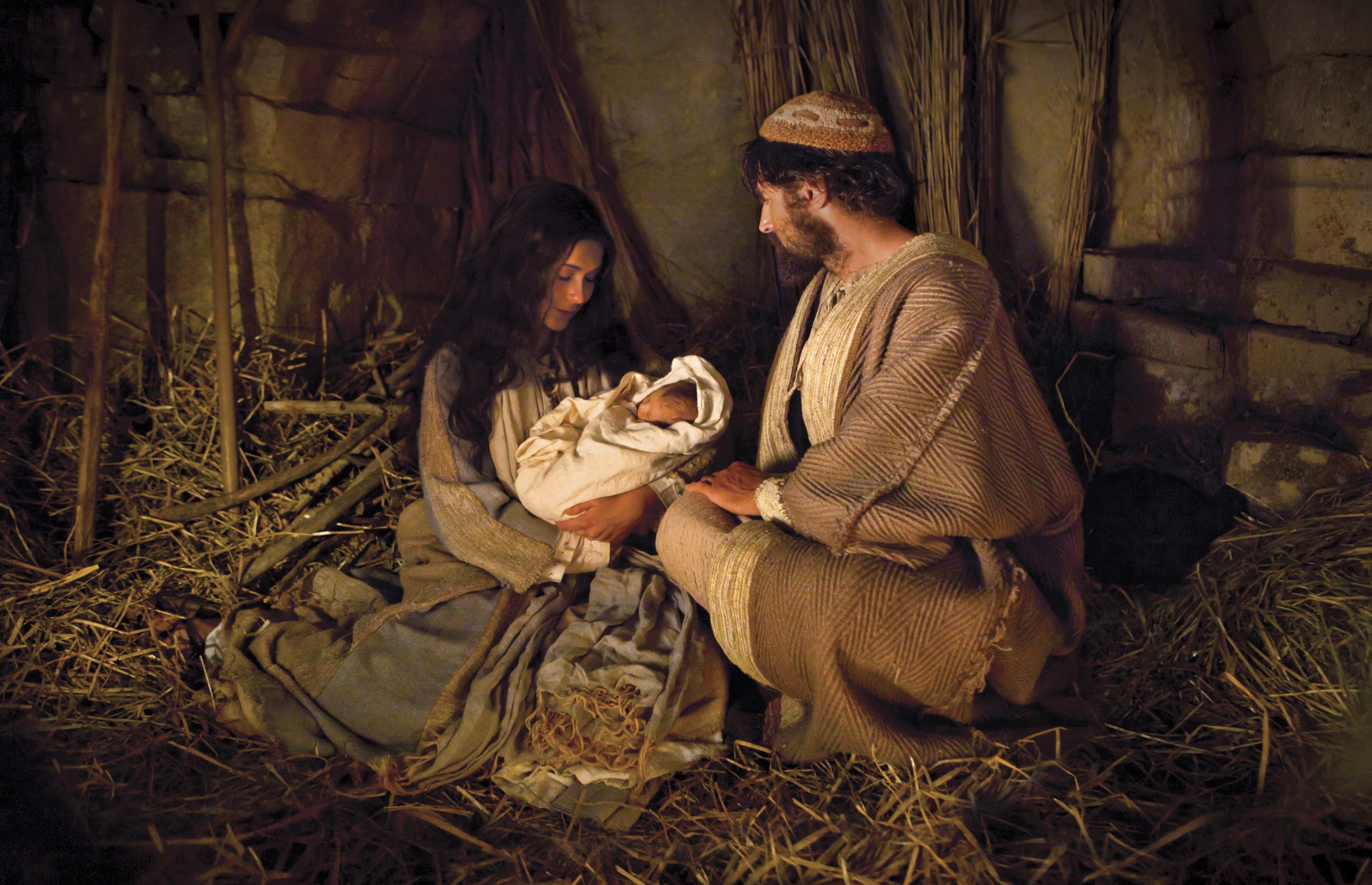
My husband David and I are the proud grandparents of six wonderful grandchildren. Our youngest granddaughter was born seven years ago on December 21st. She wasn’t expected until mid-January, so her pre-Christmas arrival was a surprise to everyone. We received our first picture of that tiny, beautiful, newborn baby the next day. She was so tiny. And so vulnerable.
Her first photo arrived as I was writing my Christmas Eve sermon. I was immersed in the story of the Roman Emperor, Augustus and how that emperor’s story intersected with that of the child born in Bethlehem so long ago. Augustus also claimed to be the son of God. And in all of his actions, including the ones described in the Gospel of Luke, chapter 2, verses 1-20 he’s much more interested in amassing power and wealth than he is in caring for the people around him.
I was struck at that moment, as I have been struck every year since then, of the amazing thing that God did on that first Christmas. One of the words given to the baby born on Christmas Day is Emmanuel. It means God-With-Us. Christians believe that God came among us, as one of us, in the person of Jesus of Nazareth. And when God came into the world, he didn’t come as a powerful emperor. Instead, he came as a vulnerable, newborn, human baby.
Imagine any newborn you’ve encountered. And now, compare that tiny vulnerable human with images of reliefs that depict imperial power in this temple, the Sebasteion in what was then Aphrodisias. If you click here, you can see various reliefs showing Roman emperors subjugating those Rome has conquered, including a woman personifying Britannia being dragged around by her hair!
For me, as a Christian, that is the true miracle of Christmas. When God came among us, as one of us, God did so in a way that was a sharp contrast to worldly power. God didn’t come as a powerful emperor. God didn’t come in a palace. God didn’t even come as an adult human. Nope! When God came among us as one of us God came as a vulnerable little baby, born to a poor family, in a town with some theological significance (Bethlehem was the city of David) but which wasn’t a booming metropolis.
Throughout scripture, God stands with those who are poor, hungry, oppressed, and vulnerable. And in case we missed it, God does the same thing when God comes among us as Emmanuel. That is something worth celebrating!
Blessings to all!
This blog post is the expressed opinion of its writer and does not necessarily reflect the views of Tysons Interfaith or its members.
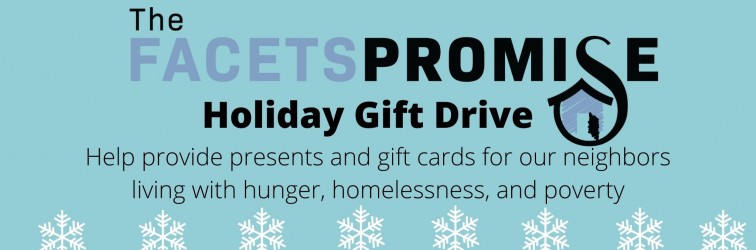
As we enter winter months, please keep our neighbors in need in mind. Local food pantries, such as SHARE and Food For Others can always use donations and manpower.
In addition, our friends at FACETS sent out an appeal this week for their annual holiday gift drive:
We need your help! With local families struggling to make ends meet, we have received over 600 requests for gifts and toys. We are hearing from many parents and families who have never reached out to us before for assistance.
For years, our amazing community has ensured that the children, families and individuals served by FACETS can celebrate the season with their loved ones.
This year, we have been very blessed to have many of you step up as Angel Tree donors to fulfill holiday wishes. However, the requests are still coming in – and these new families need all of us.
With gratitude in our hearts, we are asking if you can please help provide toys, presents and gift cards for our community’s most vulnerable.
Ideally, all unwrapped gifts should arrive at FACETS’ main office by Wednesday, December 15th at 12 noon so our elves from SERCO can wrap them that evening.
- Monetary Donations: Make a donation to FACETS, and we’ll do the shopping for you! To donate online, CLICK HERE. (Please indicate “Holiday Gifts” in the Special Instructions field.) To donate by mail, please send checks made payable to “FACETS” to FACETS, 10700 Page Avenue, Building B, Fairfax, Virginia 22030.
- Donations of Toys, Gift Cards & Presents: Download our list of needed gifts and add something to your Christmas shopping to drop off this week. Donations can be dropped off Monday – Friday, 9am to 3pm, at the FACETS Main Office: 10700 Page Avenue, Building B, Fairfax, Virginia 22030.
- Virtual Shopping via our Amazon Wish List & Amazon Smile: You can also ship gift cards and toys directly to FACETS by using our Amazon Holiday Gift Wish List. And, when you buy from Amazon Smile and select “FACETS Cares” as your charity of choice, a percentage of your purchase price goes back to support the children, families and individuals served by FACETS’ programs.
- Angel Tree: Angel Tree wish lists are still available. If you are your team are interested in “adopting” a child or family this season, please reach out to Tessa at trobinette@facetscares.org.
Thank you!! We are so very grateful to you all! Should you have any questions, please do not hesitate to contact Tessa at trobinette@facetscares.org or 703-352-3268.
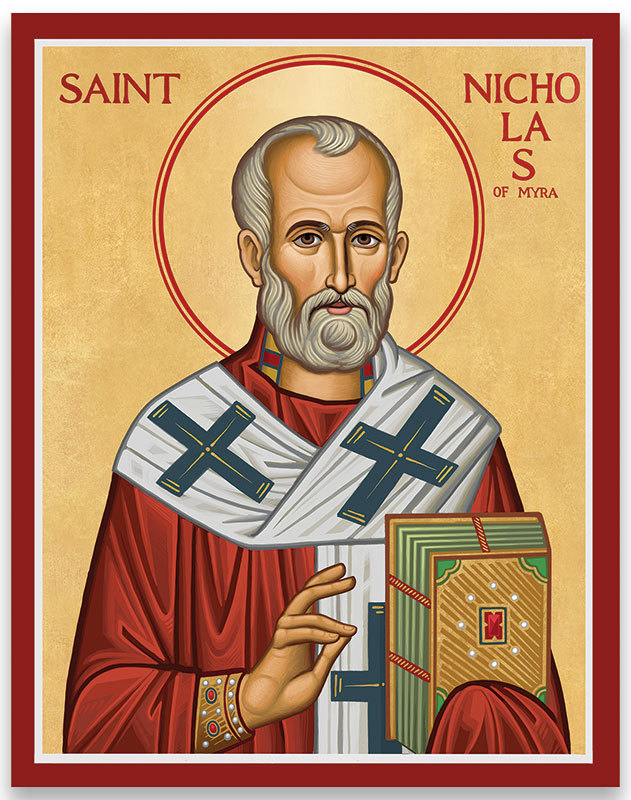
Well, it is the season, the season for Christmas music! Love them or hate them, these familiar tunes fill the air during this joyous time. One does not have to look hard to find them either; it seems that many of our local radio stations started playing these songs even before Thanksgiving! You hear of white Christmas’ and stars dancing across the sky, but my favorite nonchurch hymn is “Jolly Old Saint Nicholas.” You know the tune, “Jolly old Saint Nicholas, lean your ear this way, don’t you tell a single soul what I’m going to say…” This song reminds us of the fun of Christmas – Santa Claus, gifts, and family. As pastors (at least in my tradition), we try to keep the two separate: Christmas in its true sense and the coming of Jesus the Christ child, and that of Santa Claus and his reindeer’s in the secular/ commercial sense. But believe it or not, there is a lot that we can learn from jolly old Saint Nick.
Now St. Nicholas was not always St. Nicholas. Born Nicholas of Bari in the early third century, he grew up in what is now modern-day Turkey. Raised in a Christian home, he was a person of devout faith in Christ. Nicholas lived out his faith in all that he did and held strong to it after losing his parents as a young man. Legend has it that rather than taking his inheritance and spending it on himself, he devoted his life to the poor and less fortunate in his community. Leaving small bags of coins on the doorsteps of those in need, Nicholas worked to ensure people, especially children had the necessities of life. One story tells of Nicholas caring for a family who was being forced to give their children into servanthood, but rather than seeing this family torn apart, Nicholas paid the debts that were owed. Again, leaving three small sacks of money over the course of three nights, one for each of the children, Nicholas ensured this family would remain together.
Nicholas went on to become Bishop of the Christian churches of Myra in Asia Minor and continued to do many great things for the good of God’s people. His reputation and example of selflessness for children and the poor lived on long after his death. So much so that he was canonized in the early fifteenth century, and his feast day is celebrated by many of the mainline denominations today. On this day, we are invited to place our stockings or shoes by the door in hopes of finding a few gold coins left there the next morning (chocolate ones, of course).
During this holiday season, St. Nicholas offers us the perfect example of how to enter this festive time. No matter our faith tradition – rather than simply marking the days off the calendar, waiting for Christmas to finally come. Jolly old Saint Nick reminds us to actively wait by caring for all God’s people in need.
This blog post is the expressed opinion of its writer and does not necessarily reflect the views of Tysons Interfaith or its members.